
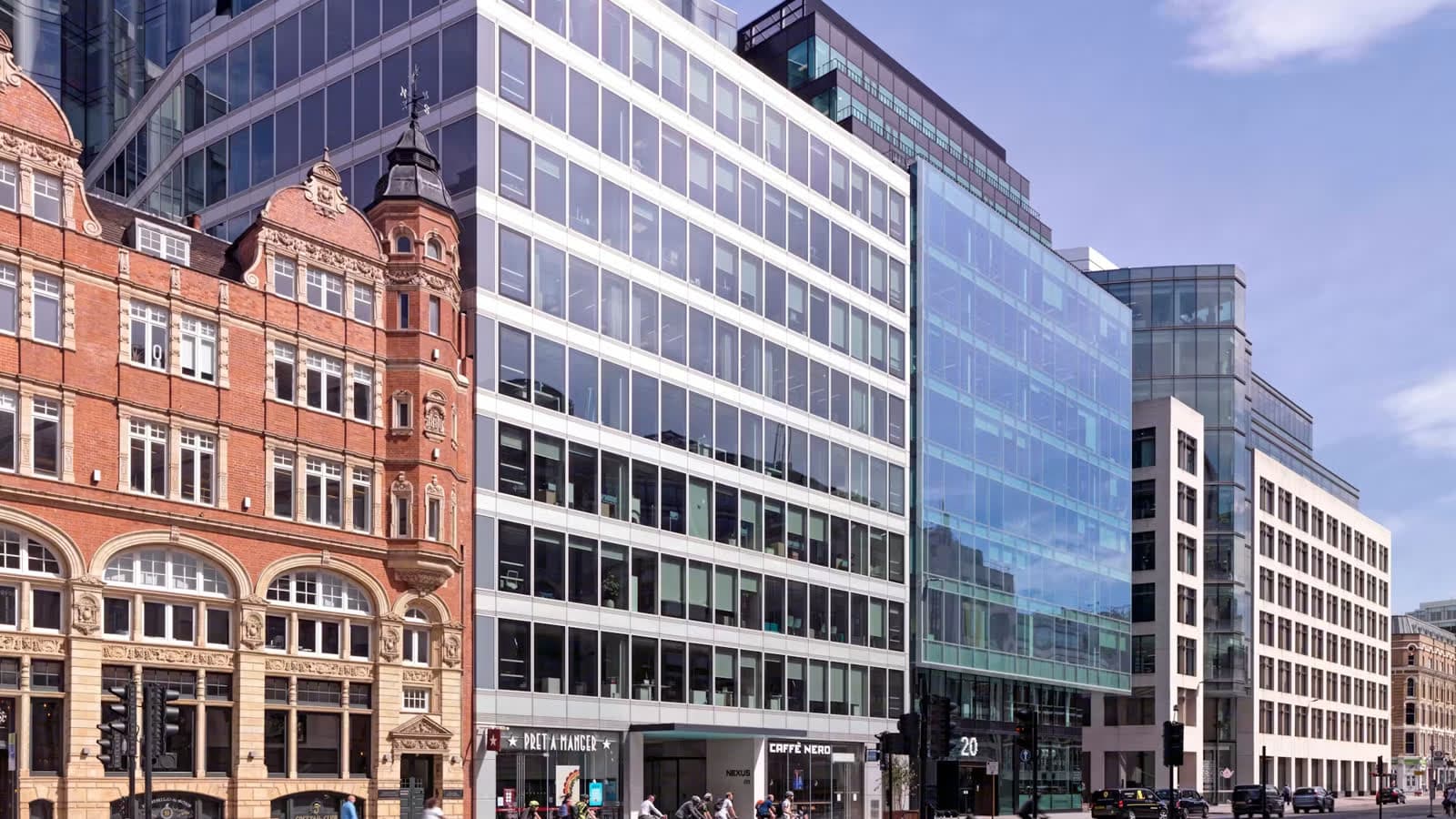
Every commercial real estate loan is secured against a building. That building has an energy performance profile, a future retrofit liability, a trajectory towards or away from regulatory compliance, and a set of physical climate risks that will influence its value over the life of the loan.
Yet in many lending transactions, these factors are either poorly understood or not quantified at all before the credit committee approves the deal. Not because lenders underestimate building risk, but because understanding a building beyond its EPC rating has traditionally meant commissioning surveys, engaging consultants and waiting weeks for answers. That simply doesn't fit the pace of modern lending.
The result is a blind spot in the underwriting process.
The hidden risk in commercial property lending
Commercial real estate lenders have sophisticated frameworks for assessing borrower creditworthiness, tenancy risk and market conditions. But when it comes to the asset itself, the analysis often remains surprisingly limited.
A handful of questions determine whether a building is likely to preserve — or erode — the value of the collateral over the loan term.
- Is the asset compliant with today's MEES regulations?
- Will it remain compliant as regulations evolve?
- What capital expenditure will be required over the next five years?
- Is the building on a trajectory towards becoming a stranded asset?
- Which physical climate hazards could materially affect its future value?
These aren't sustainability questions. They're underwriting questions.
A building that requires £800,000 of retrofit investment to remain legally lettable carries a future liability that affects collateral quality. If that liability only becomes visible after the loan has been originated, it has already become a credit problem.
Yet many lending decisions still rely primarily on EPC ratings — a single letter that reveals very little about future compliance costs, investment requirements or long-term asset resilience — or on borrower disclosures that vary significantly in quality and completeness.
Buildings aren't static assets
Perhaps the biggest shift lenders need to make is conceptual.
Commercial property is often underwritten as though it were a static asset whose characteristics remain broadly unchanged throughout the life of the loan.
Increasingly, that assumption no longer holds.
Regulation evolves. Energy standards tighten. Occupier expectations rise. Physical climate risks intensify. Buildings move either towards greater resilience or towards obsolescence.
In other words, every building is on a trajectory.
The question is no longer simply what a building is worth today. It's what that building is likely to look like — and be worth — when the loan matures.
Two office buildings with identical valuations and identical tenants may represent very different lending propositions if one requires £150,000 of capital investment over the next five years while the other requires £1.2 million.
Without understanding that trajectory, lenders are underwriting today's valuation rather than tomorrow's collateral.
Why this has been difficult
The challenge has never been recognising that building performance matters.
The challenge has been obtaining reliable building intelligence quickly enough to influence a live transaction.
Traditional technical assessments require site visits, specialist consultants and lengthy reporting cycles. They're invaluable for detailed due diligence, but they don't fit the timelines of deal origination.
Lending teams need something different. They need building-level intelligence that can be generated quickly enough to inform pricing, covenant structuring and credit approval, while remaining robust enough to support those decisions afterwards.
A new layer of transaction intelligence
Building Atlas Pulse has been designed specifically for this role.
From a single address, Pulse generates a building risk report in under two minutes, reviewed and decision-ready, providing an assessment of:
- MEES compliance today and projected future compliance
- Estimated retrofit costs to reach EPC E, C and B
- Stranding risk
- Physical climate hazards, including flooding, overheating, precipitation and coastal erosion
- Recommended improvement measures
- A transaction summary suitable for legal packs and credit committee papers
Every quantitative output includes a stated confidence level, allowing users to distinguish between observed data, modelled estimates and areas where uncertainty remains.
Pulse isn't intended to replace building surveys or technical consultants. Its role is to ensure that detailed due diligence is focused on the assets where it creates the greatest value.
Where building intelligence changes lending decisions
Building-level risk data becomes valuable throughout the lending lifecycle.
At origination, it gives credit teams an independent view of future building performance before the loan is approved. Retrofit liabilities become visible inputs into pricing, loan-to-value decisions and covenant design rather than assumptions hidden within valuation reports.
During portfolio monitoring, lenders can identify assets with the greatest transition exposure, prioritise borrower engagement and support climate stress testing, regulatory reporting and portfolio risk management.
At refinancing, lenders gain an updated understanding of how an asset has evolved since the original loan was written. Has the building improved? Has regulatory risk increased? Has its retrofit liability changed? Those answers become increasingly relevant as sustainability-linked lending products continue to mature.
Better information creates better lending opportunities
There is an obvious defensive case for understanding building performance.
Buildings that fail to keep pace with regulation or market expectations risk losing tenants, requiring significant capital expenditure and ultimately declining in value. Identifying those risks early protects the loan book.
But there is also a commercial opportunity.
Every building requiring retrofit investment represents potential financing demand. Lenders that understand where those future capital requirements sit across their portfolios are better placed to originate retrofit finance, sustainability-linked facilities and refinancing opportunities before competitors do.
Better building intelligence doesn't simply reduce downside risk. It enables capital to be allocated more selectively, priced more accurately and deployed where future demand is already emerging.
As commercial real estate continues to transition, the lenders with the strongest understanding of their underlying assets will increasingly enjoy an information advantage over those relying on traditional underwriting alone.
Because every commercial property loan is ultimately secured against a building.
The question is whether lenders continue underwriting buildings largely as they appear today — or start underwriting where those buildings are heading.
Building Atlas Pulse is currently in limited preview. To explore how transaction-speed building intelligence fits into your lending workflow, get in touch.